15 Home Renovation Trends 2026: What's In & What's Out
Expert analysis of the design trends shaping Pennsylvania & New Jersey homes
The home renovation landscape is shifting dramatically in 2026. With the U.S. home improvement market reaching $614.6 billion and more than half of professionals expecting homeowners to increase renovation spending, understanding what's trending—and what's fading—has never been more important.
After analyzing industry forecasts, surveying hundreds of Pennsylvania and New Jersey homeowners, and drawing on our experience with regional renovation projects, we've compiled the definitive guide to 2026's most impactful home renovation trends.
Planning a project this year? Start with the numbers and constraints:
- Pricing: Home renovation cost (2026) — cost per sq ft + budgets
- Permits: PA renovation permits: what needs a permit + costs & timelines
- Ready for scope: Kitchen remodeling • Bathroom remodeling • Home additions
Quick Reference: 2026 Trends at a Glance
| What's OUT | What's IN |
|---|---|
| Open-concept everything | Defined, functional spaces |
| All-white kitchens | Warm, natural color palettes |
| Oversized kitchen islands | Right-sized, multi-functional islands |
| Guest rooms sitting empty | Dual-purpose flex spaces |
| Tech gadgets as afterthoughts | Integrated smart home systems |
| Stark minimalism | Warm minimalism with texture |
| Generic builder-grade finishes | Personalized, artisan details |
| Ignoring accessibility | Proactive aging-in-place design |
| Energy as an afterthought | Performance-driven building |
| Matching everything | Thoughtfully mixed finishes |
WHAT'S IN: 15 Trends Defining 2026
1. ADUs and In-Law Suites: The Multi-Generation Solution
The Trend: Accessory Dwelling Units (ADUs) are 2026's hottest renovation investment, driven by housing costs, multi-generational living, and rental income potential.
Why It's Booming:
- Housing affordability crisis makes ADUs attractive alternatives
- Multi-generational families seeking connected but independent living
- Remote workers creating dedicated home offices with full amenities
- Rental income potential: $1,500-$3,000/month in PA/NJ markets
What This Looks Like:
- Basement conversions with separate entrances
- Garage-top apartments
- Backyard cottages (where zoning permits)
- Main-floor in-law suites with full kitchens
Investment Range: $125,000-$350,000 depending on scope and finish level
ROI Potential: 75-90% at sale, plus ongoing rental income potential
Local Note: PA and NJ municipalities are increasingly updating zoning to accommodate ADUs. Check your local regulations—many areas have relaxed requirements since 2024.
2. Warm Minimalism: Texture Meets Simplicity
The Trend: Cold, stark minimalism is out. 2026 embraces "warm minimalism"—clean lines paired with natural textures, organic materials, and earthy tones.
Key Elements:
- Light oak and walnut replacing painted white cabinets
- Natural stone with visible veining and character
- Organic shapes through curved islands and rounded edges
- Textured surfaces like fluted wood, ribbed glass, and natural linen
- Clay and terracotta tones adding warmth to neutral palettes
Color Palette 2026:
- Warm whites and creamy off-whites
- Clay, terracotta, and rust accents
- Forest green and sage
- Navy as a sophisticated neutral
- Warm grays over cool grays
Budget Impact: Natural materials run 15-25% higher than painted alternatives, but the timeless appeal provides long-term value.
Pennsylvania Application: This trend perfectly complements the Lehigh Valley's colonial and craftsman architecture, honoring traditional woodworking while feeling fresh.
3. Defined Spaces Over Open Concept
The Trend: After two decades of knocking down walls, homeowners are bringing definition back. Dedicated rooms for specific functions are replacing the open-concept-everything approach.
What's Changing:
- Kitchen boundaries with thoughtful transitions, not just islands
- Home office alcoves with doors that close
- Dining rooms making a comeback as dedicated spaces
- Mudrooms and entryways getting serious attention
- Butler's pantries creating kitchen/dining transitions
Why the Shift:
- Work-from-home requires sound separation
- Multiple family members need dedicated spaces
- Cooking odors spreading through open plans
- Visual clutter fatigue
- Better HVAC efficiency with defined zones
Implementation Ideas:
- Glass-panel room dividers (maintain light, add separation)
- Built-in bookcases as room separators
- Sliding barn doors for flexible boundaries
- Lowered ceiling soffits to define zones
- Flooring transitions to distinguish spaces
Cost to Add Definition: $5,000-$25,000 depending on approach
4. Smart Home Integration (Done Right)
The Trend: Smart home technology is maturing from novelty to necessity, but 2026's approach is integrated and invisible, not gadget-forward.
The New Standard:
- Hidden charging stations in drawers and on surfaces
- Automated lighting that responds to time and activity
- Smart HVAC with zone control and learning capabilities
- Integrated speakers and whole-home audio systems
- Smart locks and security tied to comprehensive systems
- EV charging infrastructure preparation
Key Difference in 2026: Technology is expected to "disappear"—no exposed cords, no obvious devices, just seamless functionality.
Must-Have Integrations:
| Feature | Resale Impact | Cost Range |
|---|---|---|
| Smart thermostat | High | $250-$500 |
| Whole-home WiFi | High | $500-$2,000 |
| Smart lighting | Medium-High | $1,500-$8,000 |
| Hidden charging | Medium | $500-$2,000 |
| Smart locks | Medium | $300-$800 |
| EV charger ready | Growing | $1,500-$4,000 |
Investment Range: $3,000-$25,000 for comprehensive smart home integration
5. Dual-Purpose Flex Spaces
The Trend: Single-purpose rooms are luxury most homes can't afford. 2026 embraces rooms that serve multiple functions brilliantly.
Popular Combinations:
- Guest room + home office: Murphy beds, convertible desks
- Playroom + homework station: Adaptable furniture, organized storage
- Laundry + pet care: Built-in pet washing stations, food storage
- Exercise room + meditation space: Equipment storage, acoustic treatment
- Bonus room + media room: Multi-function AV setups
Design Keys:
- Built-in storage that hides function-specific items
- Convertible furniture (Murphy beds, fold-down desks)
- Acoustic considerations for privacy
- Lighting that adapts to different uses
- Flooring that works for multiple activities
Investment Range: $8,000-$30,000 to transform a room into dual-purpose space
Best ROI: Guest room/office combos consistently rank highest for buyer appeal
6. Performance-Driven Energy Efficiency
The Trend: Energy efficiency in 2026 isn't about gadgets or visible "green" features—it's about building science and performance that actually works.
The New Approach:
- Spray foam insulation over fiberglass batts
- Triple-pane windows in demanding climates
- Heat pump HVAC systems (even in PA/NJ winters)
- Strategic window placement for passive heating/cooling
- Air sealing as a priority during any renovation
- Energy recovery ventilation for tight building envelopes
Why It's Different Now: "Energy-efficient homes are no longer just about gadgets. The best renovations in 2026 focus on smarter insulation, strategic window placement, and HVAC systems that actually perform."
Financial Benefits:
- Utility savings: 30-50% reduction in heating/cooling costs
- Federal tax credits: Up to $3,200 annually for qualifying upgrades
- Increased home value: Energy-efficient homes sell for 2-8% more
- Comfort improvement: Consistent temperatures, no drafts
Key Upgrades and Costs:
| Upgrade | Cost | Annual Savings | Tax Credit |
|---|---|---|---|
| Heat pump HVAC | $12,000-$25,000 | $500-$1,500 | Up to $2,000 |
| Spray foam insulation | $3,000-$10,000 | $300-$800 | 30% of cost |
| Energy Star windows | $10,000-$25,000 | $200-$500 | Up to $600 |
| Smart thermostat | $200-$500 | $100-$200 | - |
7. Proactive Aging-in-Place Design
The Trend: Smart homeowners aren't waiting until they need accessibility features—they're building them in now, styled for luxury rather than clinical appearance.
Design-Forward Accessibility:
- Curbless showers that look spa-like, not hospital-like
- Wider doorways (36") that feel grand, not institutional
- Main-floor primary suites with full amenities
- Lever handles throughout (on doors and faucets)
- Comfort-height toilets as standard
- Non-slip luxury tile in wet areas
- Grab bars disguised as designer towel bars
Why Now:
- Nearly 48% of U.S. homes were built before 1980 and need updates
- Boomer homeowners planning to age in place
- Universal design increases buyer pool at resale
- Proactive work costs 40-60% less than reactive modifications
Premium Aging-in-Place Features:
- Walk-in tubs with hydrotherapy ($5,000-$15,000)
- Elevator shafts roughed in for future installation ($8,000-$20,000)
- Voice-activated systems throughout ($3,000-$10,000)
- Smart medical monitoring integration ($1,000-$5,000)
ROI Insight: Universal design bathrooms return 70-80% at sale—higher than standard bathroom remodels.
8. Right-Sized Kitchens with Purpose
The Trend: The era of "bigger is better" kitchen islands is over. 2026 kitchens focus on right-sized, multi-functional layouts.
What's Changing:
- Purpose-driven zones instead of sprawling open spaces
- Integrated appliances that disappear into cabinetry
- Hidden storage over display shelving
- Coffee/beverage stations in dedicated nooks
- Homework areas integrated thoughtfully
- Pet feeding stations built into design
The Ideal 2026 Kitchen Island: Instead of oversized islands that collect clutter:
- Sized for function: 4x6 to 5x7 feet for most homes
- Defined zones: Prep, eating, and storage separated clearly
- Hidden features: Pop-up outlets, concealed storage, integrated charging
- Seating comfort: 42" height for dining, proper legroom
Kitchen Layout Priorities:
- Work triangle efficiency (still matters!)
- Clear sight lines for family interaction
- Abundant, organized storage
- Proper ventilation (rated for actual cooking)
- Task lighting at every work zone
Budget Impact: Right-sized kitchens often cost less than oversized designs while functioning better.
9. Indoor-Outdoor Living Connection
The Trend: Pennsylvania and New Jersey homeowners want to extend living space outdoors—and bring outdoor warmth inside.
Key Features:
- Oversized sliding/folding doors connecting spaces
- Covered outdoor kitchens for year-round use
- Four-season sunrooms with climate control
- Fire features (fireplaces, fire pits) for extended seasons
- Outdoor heating for fall and spring entertaining
Indoor Elements:
- Natural materials (stone, wood) carried throughout
- Plant integration and living walls
- Natural light maximization
- Organic color palettes
- Biophilic design principles
Investment Ranges:
| Feature | Cost Range |
|---|---|
| Folding glass wall system | $15,000-$50,000 |
| Outdoor kitchen (covered) | $25,000-$75,000 |
| Four-season sunroom | $50,000-$150,000 |
| Outdoor fireplace | $8,000-$25,000 |
| Deck with heating | $30,000-$70,000 |
Pennsylvania Consideration: Design for true four-season use with proper heating, weather protection, and durable materials.
10. Authentic Materials and Artisan Details
The Trend: Mass-produced, builder-grade finishes are out. Homeowners want authenticity, character, and craftsmanship.
Trending Materials:
- Unlacquered brass that develops patina
- Natural stone with unique character (not uniform)
- Reclaimed wood with history and story
- Handmade tile with slight variations
- Locally-sourced materials tied to place
- Plaster walls over perfectly smooth drywall
Artisan Elements:
- Custom millwork with hand-finished details
- Hand-forged hardware
- Locally crafted light fixtures
- Artist-made cabinet pulls
- One-of-a-kind statement pieces
Why Authenticity Matters: Buyers can spot mass-produced finishes instantly. Authentic materials tell a story, age beautifully, and create emotional connection.
Budget Consideration: Authentic materials cost more upfront but require less replacement over time and add genuine value.
11. Sophisticated Color (Goodbye All-White)
The Trend: The all-white interior has run its course. 2026 embraces sophisticated color in thoughtful applications.
Emerging Palettes:
Navy and Deep Blues:
- Perfect for home offices and libraries
- Sophisticated alternative to black
- Pairs beautifully with brass and wood
- Creates dramatic but livable spaces
Forest Green and Sage:
- Biophilic connection to nature
- Works in kitchens, bathrooms, living areas
- Complements both warm and cool accents
- Versatile from bold to subtle
Warm Terracotta and Clay:
- Mediterranean and desert influences
- Adds warmth without overwhelming
- Works as accent or main palette
- Perfect for Pennsylvania's colonial aesthetic
Rich Burgundy and Wine:
- Unexpected elegance in powder rooms
- Statement ceilings
- Cabinet color in right settings
- Luxurious without pretension
Application Tips:
- Start with one colored room to test your comfort
- Use 60-30-10 rule (60% dominant, 30% secondary, 10% accent)
- Keep flow through sightlines consistent
- Use color to define spaces in open plans
12. Luxury Primary Bathrooms as Retreats
The Trend: Primary bathrooms are evolving from functional spaces to genuine wellness retreats—spa experiences at home.
Must-Have Features:
Showering:
- Steam showers with seating
- Multiple shower heads (rain, handheld, body jets)
- Zero-threshold entries
- Natural stone or large-format tile
Soaking:
- Freestanding tubs as sculptural elements
- Japanese soaking tubs for smaller spaces
- Views and natural light integration
- Heated floors beneath bare feet
Wellness:
- Integrated sound systems for meditation
- Chromotherapy (color light therapy)
- Aromatherapy diffusion
- Towel warmers (now standard)
Tech Integration:
- Smart mirrors with built-in displays
- Voice-controlled fixtures
- Automatic temperature memory
- Integrated charging in vanities
Investment for Spa-Level Bathroom: $50,000-$100,000+
13. Mixed Metals Done Right
The Trend: The "match everything" rule is officially retired. 2026 embraces intentional mixing of metal finishes.
Winning Combinations:
- Brass + Matte Black: Warm hardware with dark faucets
- Polished Nickel + Antique Bronze: Classic meets character
- Stainless Steel + Unlacquered Brass: Modern kitchen harmony
- Mixed Gold Tones: Brushed, polished, and antiqued together
Guidelines for Success:
- Stick to 2-3 metals maximum per space
- Repeat each metal at least twice
- Consider warm vs. cool metal balance
- Keep plumbing fixtures consistent (or very intentional)
- Hardware can mix more freely than plumbing
Easy Starting Point: Keep faucets in one finish, mix hardware finishes
14. Home Offices That Work (Finally)
The Trend: After years of makeshift setups, home offices are getting proper design attention—because remote work isn't going away.
Design Priorities:
Acoustics:
- Solid doors (not hollow-core)
- Sound-absorbing materials
- Proper placement away from household noise
- Video call background consideration
Ergonomics:
- Adjustable standing desks
- Proper task lighting
- Cable management systems
- Climate control (often need independent)
Technology:
- Dedicated high-speed internet connection
- Video conferencing lighting
- Integrated monitors and displays
- Abundant charging stations
Design Elements:
- Built-in storage and organization
- Natural light with glare control
- Biophilic elements (plants, natural materials)
- Professional but personal aesthetic
Investment Range: $5,000-$30,000 for dedicated home office renovation
15. Sustainability as Standard
The Trend: Sustainable design is no longer an upgrade or specialty request—it's becoming the baseline expectation.
Standard Sustainable Features:
- Low-VOC paints and finishes
- Energy Star appliances (minimum expectation)
- LED lighting throughout
- Water-efficient fixtures
- Recyclable/sustainable materials where possible
Elevated Sustainability:
- Solar-ready or solar-installed
- Rainwater collection systems
- Native landscaping
- Electric vehicle infrastructure
- Smart energy monitoring
- Reclaimed and salvaged materials
Cost Reality: Many sustainable options now cost the same or less than conventional alternatives. Premium sustainable features add 10-25% but often pay back through utility savings and tax incentives.
WHAT'S OUT: Trends Losing Momentum
Open Concept Overload
The pandemic taught us that some walls are valuable. Sound separation, visual rest, and defined spaces are back.
All-White Everything
While white still works as a base, monochromatic white interiors feel dated. Warmth, color, and texture are essential.
Oversized Kitchen Islands
Clutter-collecting giants are being replaced by right-sized, highly functional alternatives.
Single-Purpose Rooms
In expensive square footage, every room needs to earn its keep with multiple functions.
Granite Countertops
While granite isn't bad, it's no longer the aspirational choice. Quartz, natural stone with character, and solid surfaces are preferred.
Subway Tile Everywhere
After a decade of dominance, standard subway tile is giving way to larger formats, interesting shapes, and unique materials.
Gray Everything
Cool gray as a dominant color has had its moment. Warmer neutrals and actual colors are taking over.
Farmhouse Style
The ubiquitous farmhouse look peaked around 2020. While elements remain popular, the full aesthetic is fading.
Visible Technology
Exposed cords, obvious devices, and tech-forward design are being replaced by invisible integration.
How to Apply These Trends in PA & NJ
Lehigh Valley Recommendations
- Warm minimalism complements colonial and craftsman architecture
- ADUs capitalize on strong rental market
- Energy efficiency crucial for older housing stock
- Historic district compliance adds complexity but value
Philadelphia Suburbs
- Mixed metals elevate traditional Main Line aesthetics
- Indoor-outdoor living extends entertaining season
- Home offices reflect commuter/remote hybrid reality
- Aging-in-place appeals to established neighborhoods
New Jersey Markets
- ADU regulations vary significantly—research before planning
- Coastal areas benefit from indoor-outdoor connection
- Energy efficiency important for varying climate zones
- Sophisticated color works in diverse architectural styles
Making Smart Trend Decisions
Trends with Staying Power
These trends are likely to remain relevant for 5+ years:
- Energy efficiency and building performance
- Universal design and accessibility
- Smart home integration
- Warm, natural materials
- Dual-purpose spaces
Approach with Caution
These trends may shift—implement in easily-changed ways:
- Bold paint colors (easy to change)
- Specific fixture finishes (can be swapped)
- Tile patterns in small areas (accent, not everywhere)
- Technology that can be upgraded
Timeless Always Wins
When in doubt, choose:
- Quality over trend-chasing
- Function over appearance
- Natural over synthetic
- Craftsmanship over mass production
- Your lifestyle over Instagram aesthetics
Conclusion: Designing for How You Live
The most important trend of 2026 isn't about specific colors or features—it's about designing "for how your family actually uses your home." The best renovations create spaces that work for your daily life, support your long-term goals, and bring genuine joy.
Key Takeaways for 2026:
- Prioritize function over following trends blindly
- Invest in performance (energy, durability, quality)
- Plan for flexibility with dual-purpose spaces
- Consider the future with aging-in-place elements
- Choose authenticity over mass-produced
- Integrate technology invisibly
- Add warmth through materials, color, and texture
Ready to incorporate 2026 trends into your Pennsylvania or New Jersey home? Contact VM Power Construction for expert guidance on which trends make sense for your specific home, lifestyle, and budget. We help homeowners create spaces that are both current and timeless.
Trend analysis based on 2026 industry forecasts from Houzz, Thumbtack, Redfin, and regional contractor surveys. Individual applications should consider existing architecture, neighborhood context, and personal lifestyle needs.
Related Services
Explore our comprehensive range of construction and remodeling services:
- Home Renovation Services - Complete home transformation solutions
- Professional Roofing - Expert roof repair and replacement
- Siding Installation - Enhance your home's exterior
- Custom Deck Building - Create your perfect outdoor space
- Kitchen Remodeling - Modern kitchen transformations
- Bathroom Remodeling - Luxury bathroom upgrades
- Commercial Construction - Business and retail solutions
📞 Ready to start your project? Call us at (484) 948-0279 for a free consultation.
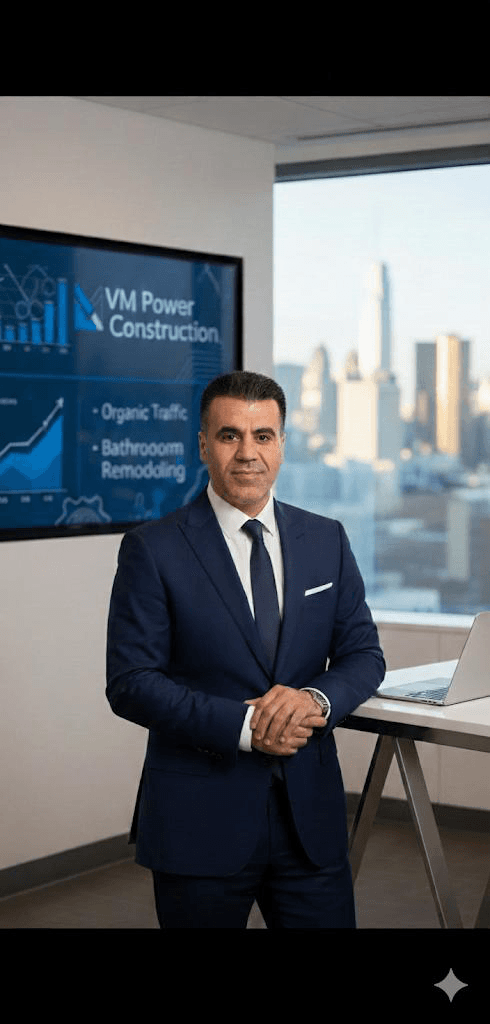
Vincent Karaca
Founder Vincent Karaca brings over 23 years of hands-on field experience to every project. He is a master of structural remodeling and is personally committed to transparent, honest contracting. Licensed PA HIC #PA158550 & NJ HIC #13VH11744800.
Table of Contents
Ready to Bring 2026 Trends Home?
Our design experts help you select trends that complement your home's architecture, fit your lifestyle, and deliver lasting value.
Vincent Karaca
Founder Vincent Karaca brings over 23 years of hands-on field experience to every project. He is a master of structural remodeling and is personally committed to transparent, honest contracting. Licensed PA HIC #PA158550 & NJ HIC #13VH11744800.